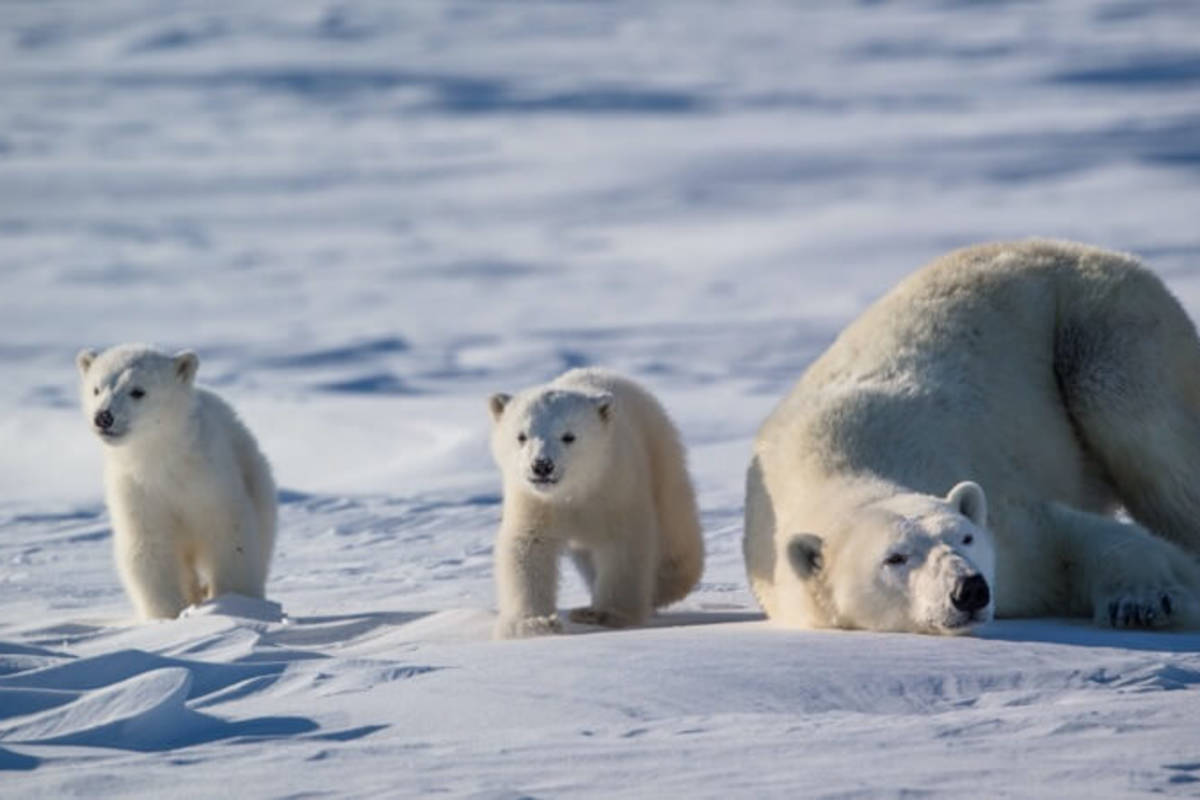
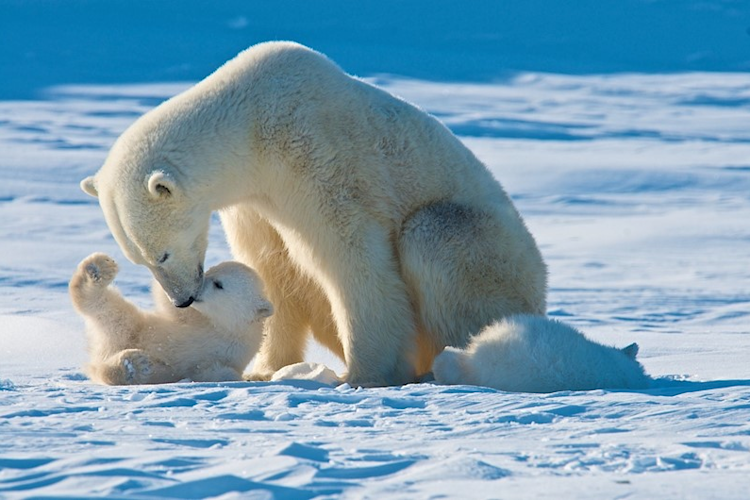
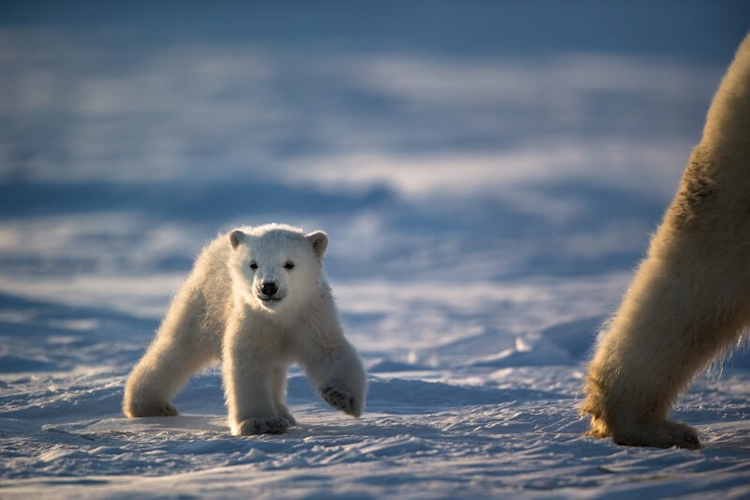
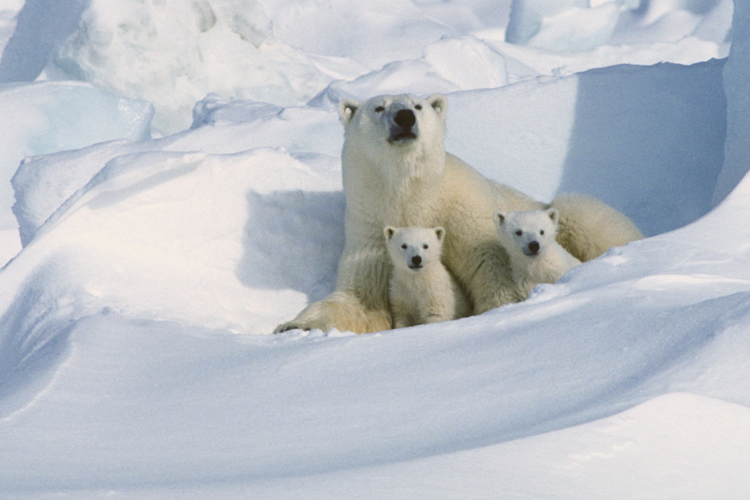
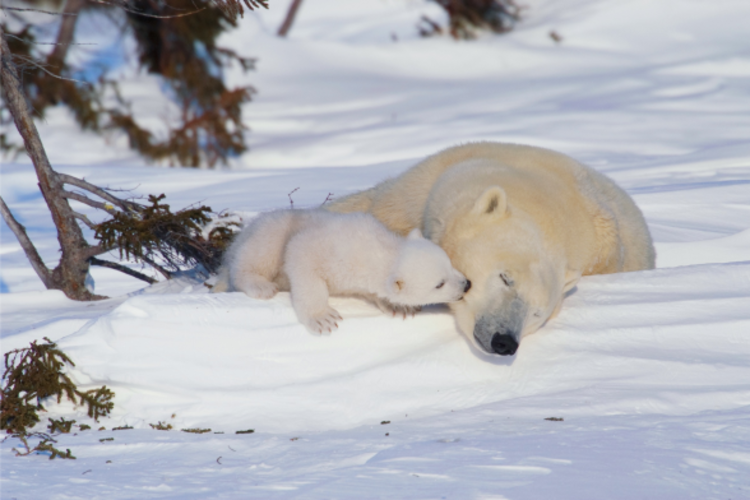
Cub survival rates can vary greatly by region and annual sea ice conditions, but on average only about 50 percent of cubs live past their first year. In parts of the Arctic with more sea ice loss, cub survival rates are even lower.
Declines in some polar bear populations have been linked to low “cub recruitment”—that is, not enough cubs survive to adulthood. This is because polar bear moms in these regions have less time on the ice to hunt seals, making it hard for them to build up adequate fat reserves to nourish their young.
At the age of about 2.3, polar bears are weaned and become subadults. These young bears can have a difficult time since they no longer have mom to provide food, do not have a lot of experience hunting on their own, and do not yet have their full strength to catch prey.
Once a polar bear reaches adulthood at about the age of 5, survival rates improve as the bear is smarter, stronger, and more easily able to catch prey.
We hope you’ll join us for International Polar Bear Day on February 27th to celebrate polar bears and polar bear families! Learn how you can help protect mom and cubs by donating to give polar bear families the help they need, providing cubs with the best possible chance of survival.